What Happens During the Architectural Design Process?
Building a custom home, planning an addition, or renovating an existing property is an exciting opportunity, but it can also feel overwhelming. Many homeowners know they have ideas about what they want, yet they are unsure how those ideas become a finished set of construction plans. That is where the architectural design process begins.
A successful project is rarely the result of a single sketch or conversation. Instead, it is a collaborative process that transforms goals, ideas, and practical requirements into a thoughtfully designed space that reflects both the client’s vision and the unique characteristics of the property.
Understanding how the design process works can help homeowners approach their projects with greater confidence.
It Begins With Listening
Every successful project starts with a conversation.
Before drawings are created or materials are selected, an architect takes time to understand the client’s goals. Some homeowners are looking for more living space, while others want to improve functionality, preserve the character of an older home, or create a completely custom residence.
Discussions often include lifestyle, budget, aesthetic preferences, long-term plans, and how the family expects to use the space in the years ahead. These early conversations establish the foundation for every design decision that follows.
Understanding the Property
No two building sites are exactly alike.
An architect evaluates the property’s topography, orientation, views, existing structures, access, zoning requirements, and other site conditions. These factors influence everything from the placement of rooms to the amount of natural light entering the home.
Rather than forcing a standard design onto every property, thoughtful architecture responds to the opportunities and limitations of each site.
This site-specific approach often leads to homes that feel more connected to their surroundings.

Developing the Design
Once the project goals and site conditions are understood, conceptual design begins.
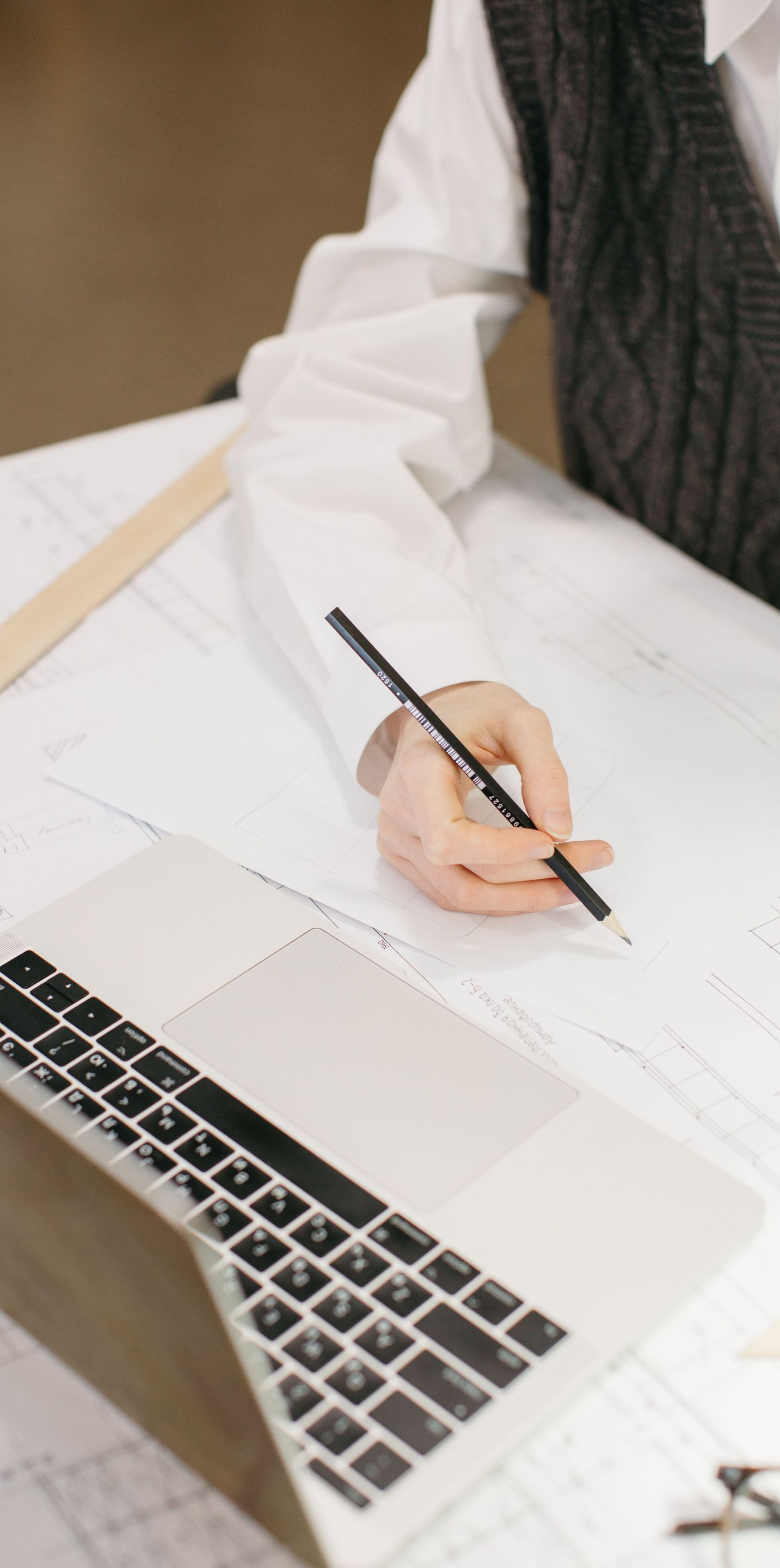
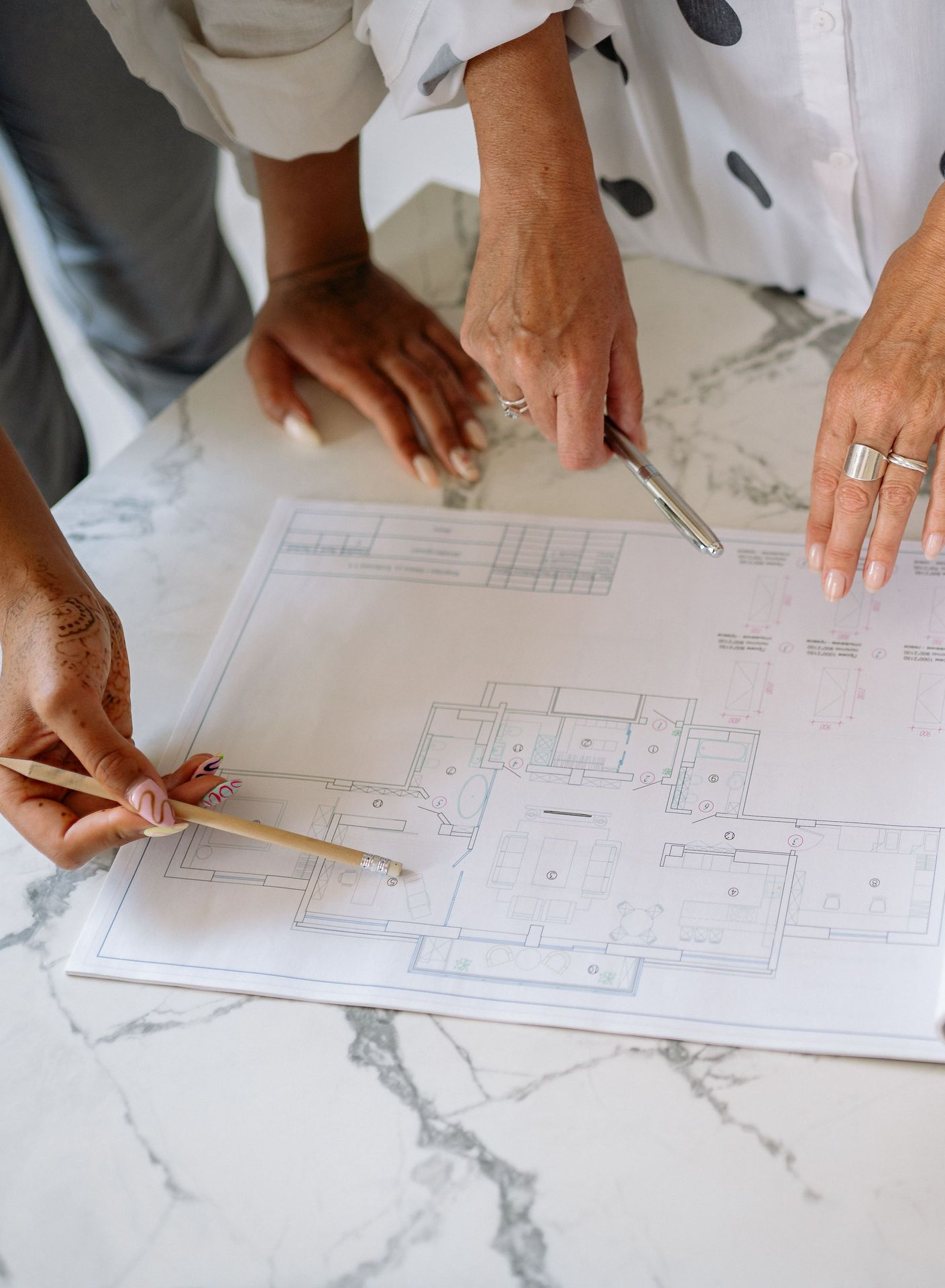
Initial sketches and floor plans explore different possibilities for organizing the space. During this phase, homeowners have an opportunity to review ideas, ask questions, and provide feedback before the design becomes more detailed.
It is common for plans to evolve through several revisions.
This collaborative process allows the architect and homeowner to refine the design together until it reflects both functional needs and aesthetic goals.
Refining the Details
As the design develops, attention shifts to the details that will guide construction.
Room dimensions, structural considerations, exterior materials, windows, doors, rooflines, and interior layouts become more clearly defined. Architects also coordinate with engineers and other design professionals when specialized expertise is required.
These detailed construction documents serve as the roadmap for builders throughout the project. Careful planning at this stage helps reduce misunderstandings and supports a smoother construction process.
Collaboration Continues Throughout Construction
The architect’s role often extends beyond the design phase.
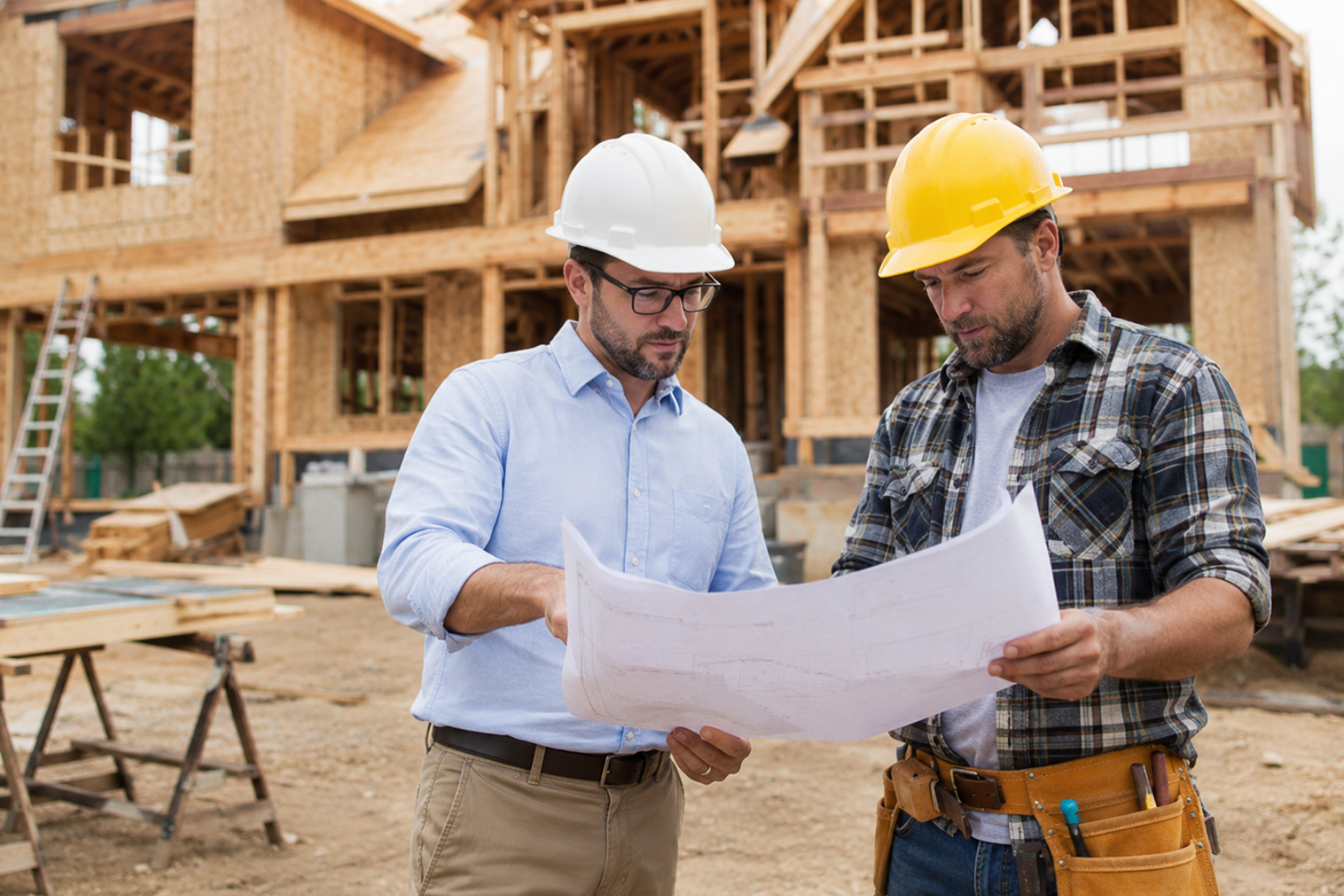
During construction, architects may answer questions, review progress, clarify design intent, and help address unforeseen conditions that arise once work begins. Older homes, in particular, can present surprises that require thoughtful solutions while preserving the overall design.
Ongoing collaboration helps keep the project aligned with the original vision while adapting to real-world construction conditions when necessary.
Communication Makes the Difference
One of the most important elements of any successful architectural project is communication.
Homeowners, architects, contractors, engineers, and consultants all contribute to the finished result. Clear communication throughout the process helps everyone understand project goals, timelines, responsibilities, and expectations.
When the entire team works together, projects are more likely to proceed efficiently and achieve the desired outcome.
Bringing Ideas to Life
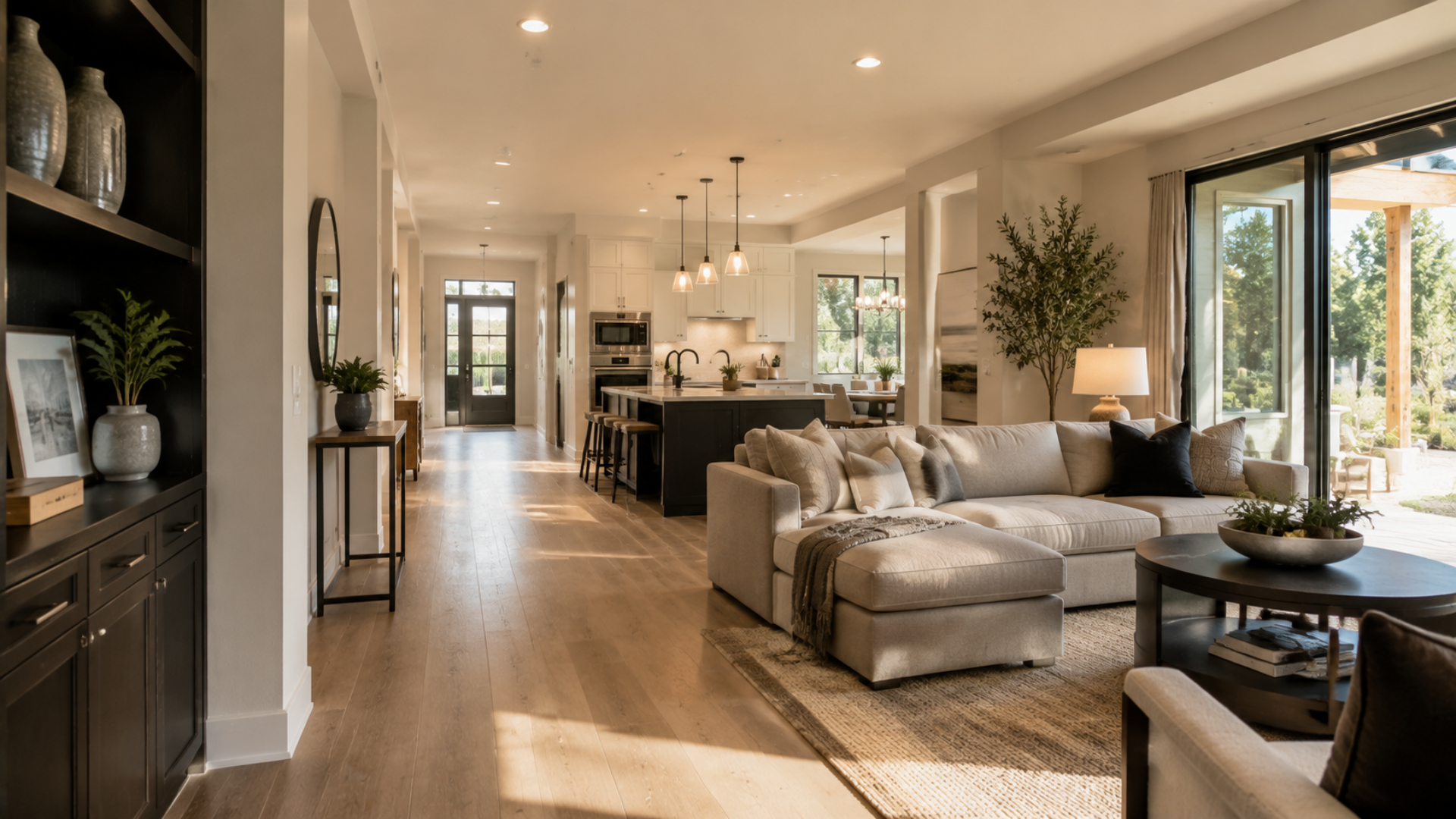
The architectural design process is about much more than creating drawings. It is a thoughtful collaboration that transforms ideas into spaces designed to serve families and businesses for many years to come. Every conversation, sketch, and design decision contributes to a final result that is both functional and enduring.
For more than 30 years, Lasse Aspelin & Associates has guided clients throughout Connecticut and Southern New England through every stage of the architectural design process. From custom homes and thoughtful additions to renovations, light commercial projects, interior design, and construction administration, our team works closely with each client to create spaces that reflect their goals, their lifestyle, and the unique character of their property.
A successful building project begins long before construction starts. It begins with a well-planned design process that listens carefully, solves problems thoughtfully, and creates a clear path from vision to reality.